

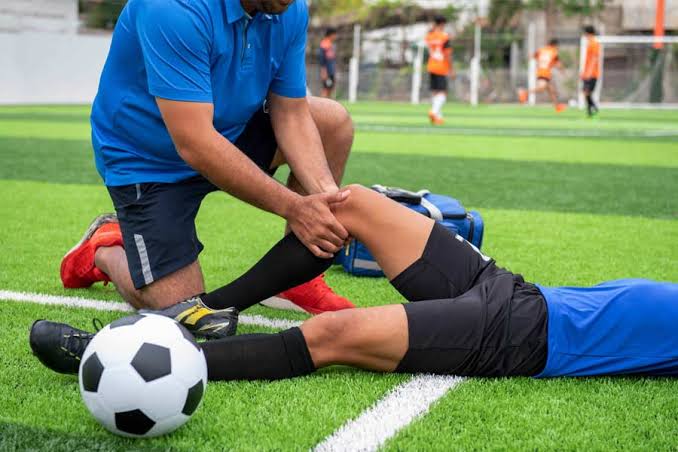
Sports and physical activities offer numerous health benefits, but they also carry the risk of injury. From professional athletes to weekend fitness enthusiasts, sports injuries can affect anyone. Injuries like ACL tears, muscle strains, ligament sprains, and overuse conditions are increasingly common due to intense training, poor technique, or inadequate recovery.
Understanding sports injuries and the role of physiotherapy in recovery is crucial—not just for healing, but for a safe and confident return to sport.
Common Types of Sports Injuries
Sports injuries vary depending on the activity, intensity, and physical conditioning of the individual. Some of the most common injuries include:
1. ACL Tears
The Anterior Cruciate Ligament (ACL) is vital for knee stability, especially in sports involving jumping, cutting, and sudden direction changes. ACL injuries commonly occur in football, cricket, basketball, and badminton.
Symptoms include knee instability, swelling, pain, and difficulty continuing sport.
2. Muscle Strains
Muscle strains occur when muscle fibers are overstretched or torn, often due to sudden acceleration, poor warm-up, or fatigue. Hamstring, calf, and quadriceps strains are especially common.
Mild strains may heal quickly, while severe tears require structured rehabilitation.
3. Ligament Sprains
Ligaments connect bones and provide joint stability. Ankle sprains, knee ligament injuries, and wrist sprains are common in sports involving running, jumping, or contact. Without proper rehabilitation, ligament injuries can lead to chronic instability.
4. Overuse Injuries
Overuse injuries develop gradually due to repetitive stress without adequate rest. Common examples include:
-
- Tennis elbow
- Runner’s knee
- Shin splints
- Shoulder impingement
- These injuries are often ignored until pain becomes persistent.
Why Sports Injuries Should Not Be Ignored
Many athletes try to “play through pain,” assuming rest alone will fix the problem. However, untreated sports injuries can lead to:
Chronic pain
-
-
- Reduced performance
- Recurrent injuries
- Long-term joint damage
- Early assessment and rehabilitation are essential for complete recovery.
-
Role of Physiotherapy in Sports Injury Management
Physiotherapy is a cornerstone of sports injury rehabilitation. It not only treats pain but also restores function, strength, and movement efficiency.
- Accurate Injury Assessment
A physiotherapist evaluates:
- Injury mechanism
- Joint stability
- Muscle strength and flexibility
- Movement patterns
Correct diagnosis ensures that the right treatment plan is followed from the start.
- Pain and Inflammation Control
Physiotherapy uses non-invasive techniques such as manual therapy, electrotherapy, and activity modification to reduce pain and swelling safely—without overdependence on medicines.
- Restoring Mobility and Strength
Injuries often lead to stiffness and muscle weakness. Physiotherapy focuses on:
- Restoring joint range of motion
- Gradual muscle strengthening
- Correcting movement imbalances
This prepares the body for higher physical demands.
- Injury-Specific Rehabilitation
Each injury requires a tailored rehabilitation program. For example:
- ACL rehab focuses on knee stability, strength, and neuromuscular control
- Muscle strain rehab emphasises flexibility, gradual loading, and tissue healing
- Ankle rehab includes balance and proprioception training
Generic exercises are avoided in favour of personalised plans.
Safe Return to Sport: A Crucial Phase
Returning to sport too early is one of the biggest reasons for re-injury. Physiotherapy ensures a safe and structured return-to-sport process.
Key Components of Return-to-Sport Training
- Strength & Endurance Restoration
Athletes must regain near-normal strength and endurance in the injured area before returning to full activity.
- Balance and Coordination Training
Sports demand dynamic balance and coordination. Physiotherapy retrains these skills to reduce injury risk.
- Sport-Specific Drills
Rehabilitation progresses to sport-specific movements such as sprinting, jumping, cutting, or throwing—based on the athlete’s sport.
- Confidence & Injury Prevention
Fear of re-injury is common. Physiotherapy helps rebuild confidence while teaching injury-prevention strategies, warm-up routines, and recovery techniques.
Physiotherapy vs Rest Alone
Complete rest without rehabilitation often leads to:
- Muscle weakness
- Joint stiffness
- Poor movement patterns
Physiotherapy promotes active recovery, ensuring tissues heal while maintaining strength and mobility.
Preventing Sports Injuries
Physiotherapy also plays a preventive role by:
- Identifying muscle imbalances
- Improving flexibility and strength
- Teaching correct technique
- Designing sport-specific conditioning programs
Prevention is always better than prolonged rehabilitation.
Conclusion
Sports injuries—from ACL tears to muscle strains—require more than just rest and pain relief. Physiotherapy provides a structured, scientific, and personalised approach to recovery, ensuring athletes return to sport safely and perform at their best.
Whether you are a professional athlete or a recreational sports enthusiast, timely physiotherapy can mean the difference between repeated injuries and a confident, long-term return to sport.